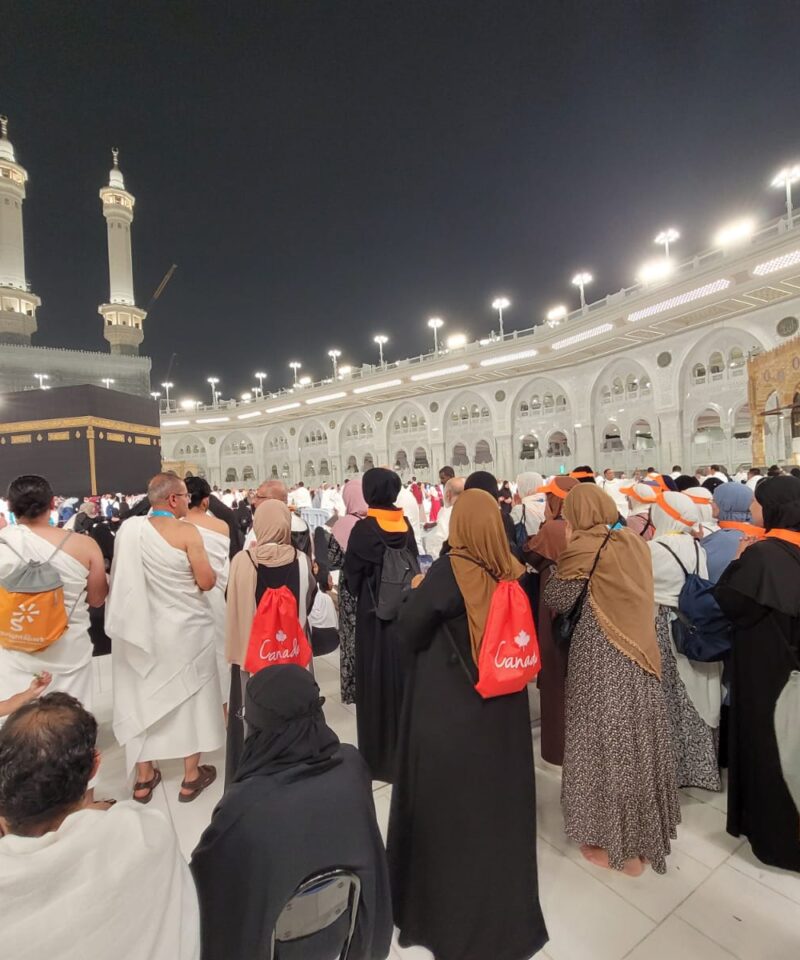
Makkah is more than the direction Muslims face five times a day — it is the birthplace of revelation, the city of Ibrahim’s trial, and the setting for some of the most defining moments in Islamic history. Visiting its historic sites during Umrah or Hajj is not an act of worship in itself, but a way to revive the lessons these places carry: sincerity, patience, trust in Allah, and mercy toward others.
This guide walks through the key ziyarat (visitation) sites in and around Makkah, their history, and the spiritual lessons scholars draw from each.
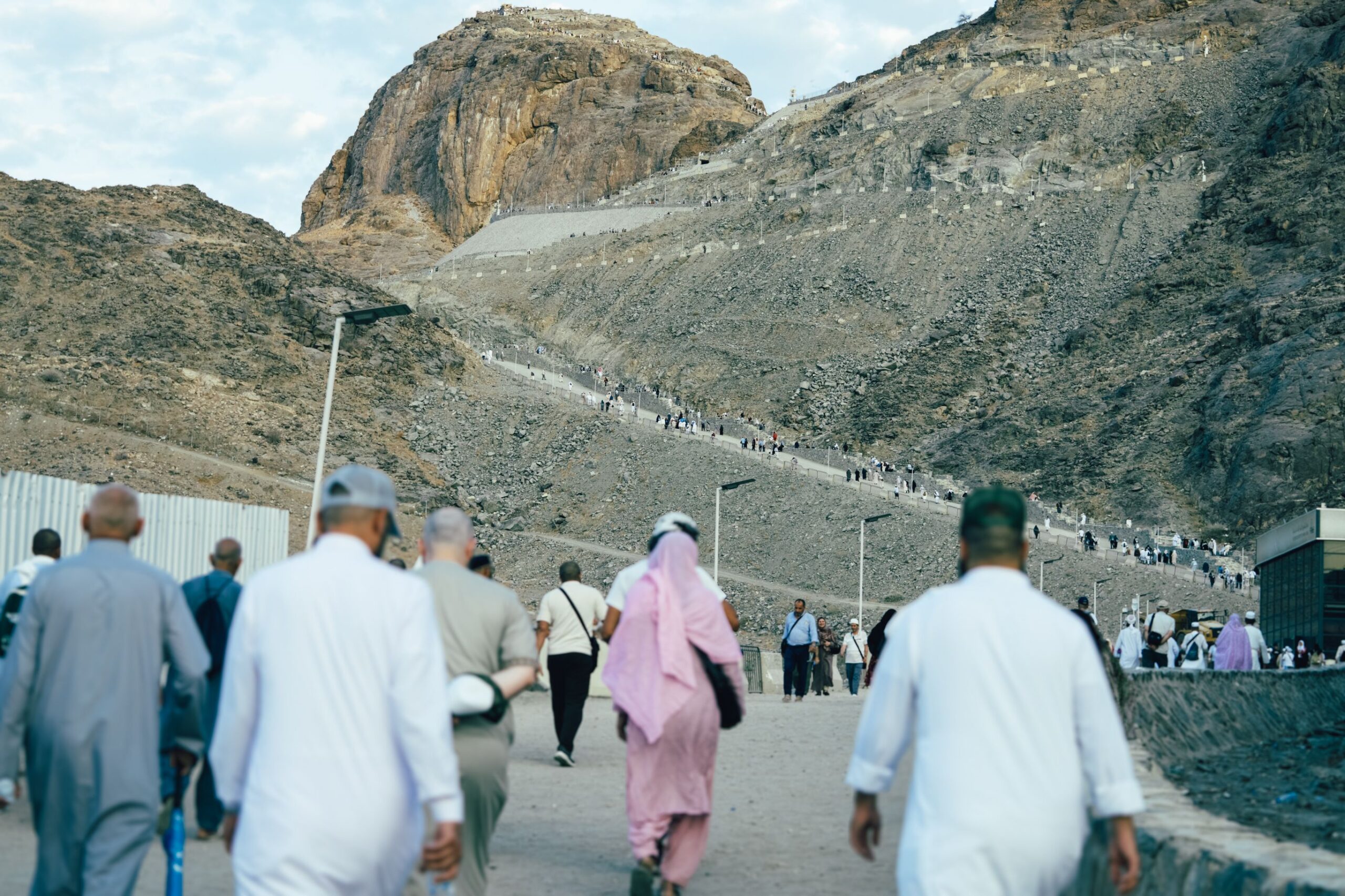
Rising about 640 meters above Makkah, Jabal an-Nur — “the Mountain of Light” — holds at its peak a small cave barely large enough for one person to sit upright: Ghar Hira. Long before he received revelation, the Prophet Muhammad ﷺ would retreat here, away from the noise and idol-worship of Quraysh, to spend nights in quiet reflection.
He was about forty years old, in the final ten nights of Ramadan, when the angel Jibril appeared to him in that cave and spoke a single word that would change the course of history: “Iqra” — “Read.”
The Prophet ﷺ, startled, replied that he could not read. As he later described it, the angel embraced him tightly three times, each time repeating the command, until finally the first verses of the Qur’an were revealed:
“Read in the name of your Lord who created — created man from a clinging clot. Read, and your Lord is the Most Generous, who taught by the pen, taught man that which he knew not.” — Surat al-Alaq, 96:1–5
Shaken, the Prophet ﷺ descended the mountain and hurried home to his wife Khadijah (may Allah be pleased with her), saying, “Cover me, cover me.” When his fear had settled, he told her what had happened. Khadijah’s response became one of the most quoted lines in Islamic history — a reassurance rooted entirely in his character:
“By Allah, He will never disgrace you. You uphold the ties of kinship, you speak truthfully, you bear others’ burdens, you help the poor, you honor the guest, and you support the oppressed.”
She took him to her cousin Waraqah ibn Nawfal, a scholar familiar with earlier scripture, who confirmed that this was the same angel who had visited Musa (peace be upon him) — and warned, correctly, that the Prophet ﷺ would eventually face opposition from his own people.
Scholars note that visiting Ghar Hira is permissible as historical remembrance, but climbing the mountain is not an act of worship in itself and carries no special reward — the Prophet ﷺ himself never returned there after revelation began. The value of the site is in remembering what happened there, not in the physical climb.
South of Makkah, rising roughly 750 meters, sits Jabal Thawr. Within it is Ghar Thawr, the cave where the Prophet ﷺ and his closest companion, Abu Bakr (may Allah be pleased with him), hid for three nights during the Hijrah — the migration to Madinah.
When Quraysh discovered the plot against the Prophet’s life had failed and he had fled, they sent trackers to find him. The trail led directly to the cave’s entrance. Abu Bakr, terrified for the Prophet’s safety, whispered that if anyone looked down, they would surely be seen. The Prophet ﷺ answered with calm certainty:
“What do you think of two, when Allah is the third of them?” — Sahih al-Bukhari, 3653
Allah protected them: tradition holds that a spider spun a web across the cave’s mouth and a bird nested at its entrance, causing the trackers to turn back without ever looking inside.
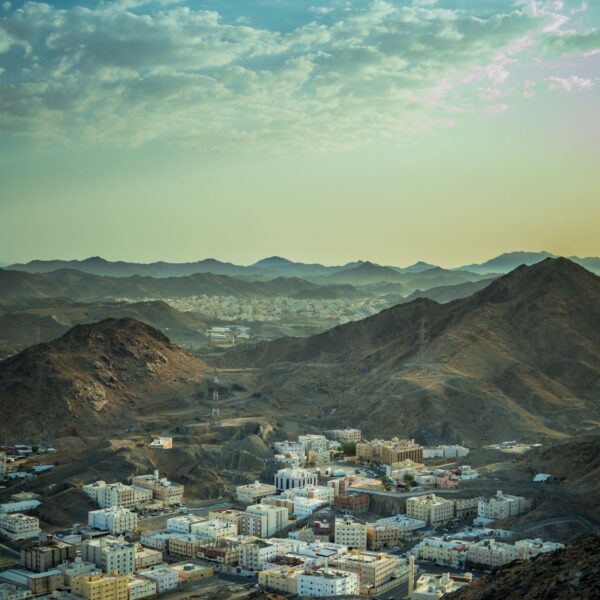
Visiting Ghar Thawr is a historical remembrance, not a ritual act — the Prophet ﷺ never instructed his followers to visit it, and seeking blessings from the cave or mountain itself is not part of the Sunnah.
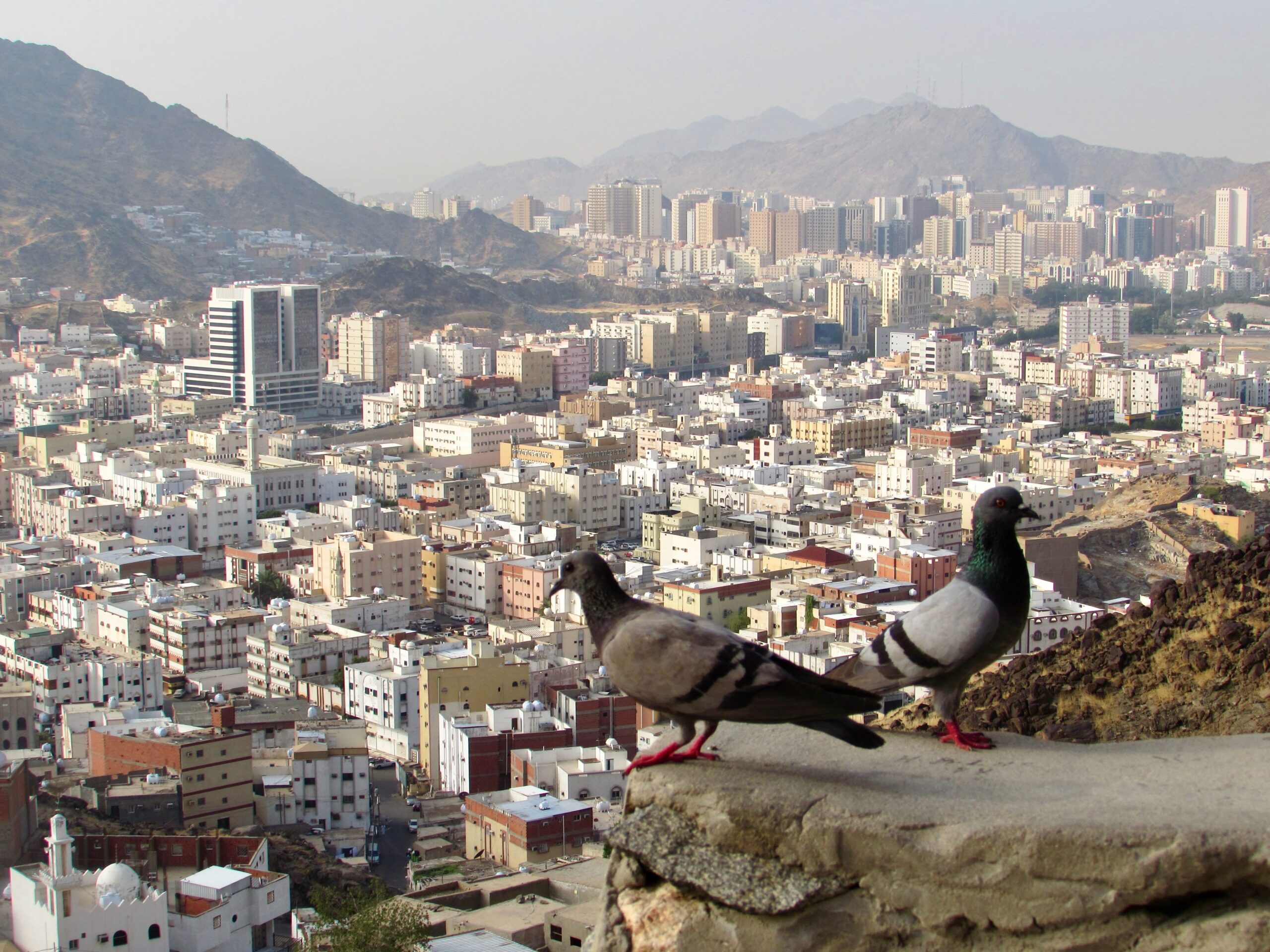
Located in the al-Hujun district, Jannat al-Mu’alla is the resting place of many of the Prophet’s ﷺ relatives and earliest believers, including his grandfather Abd al-Muttalib and his beloved wife Khadijah bint Khuwaylid (may Allah be pleased with her).
The cemetery predates Islam, but after the Prophet’s ﷺ mission it became a place he would visit to pray for those buried there, offering words similar to:
“Peace be upon you, O people of the dwellings — believers and Muslims. Indeed we, if Allah wills, will join you. We ask Allah for well-being for us and for you.” — Sahih Muslim, 249
Visiting graveyards to pray for the deceased is a Sunnah practice, but seeking blessings from graves, touching them, or treating them as shrines contradicts the core teaching of Tawhid. Domes and decoration once built over some graves here were removed by scholars to preserve this principle. Women may visit occasionally with modesty, avoiding wailing or physical contact with graves.
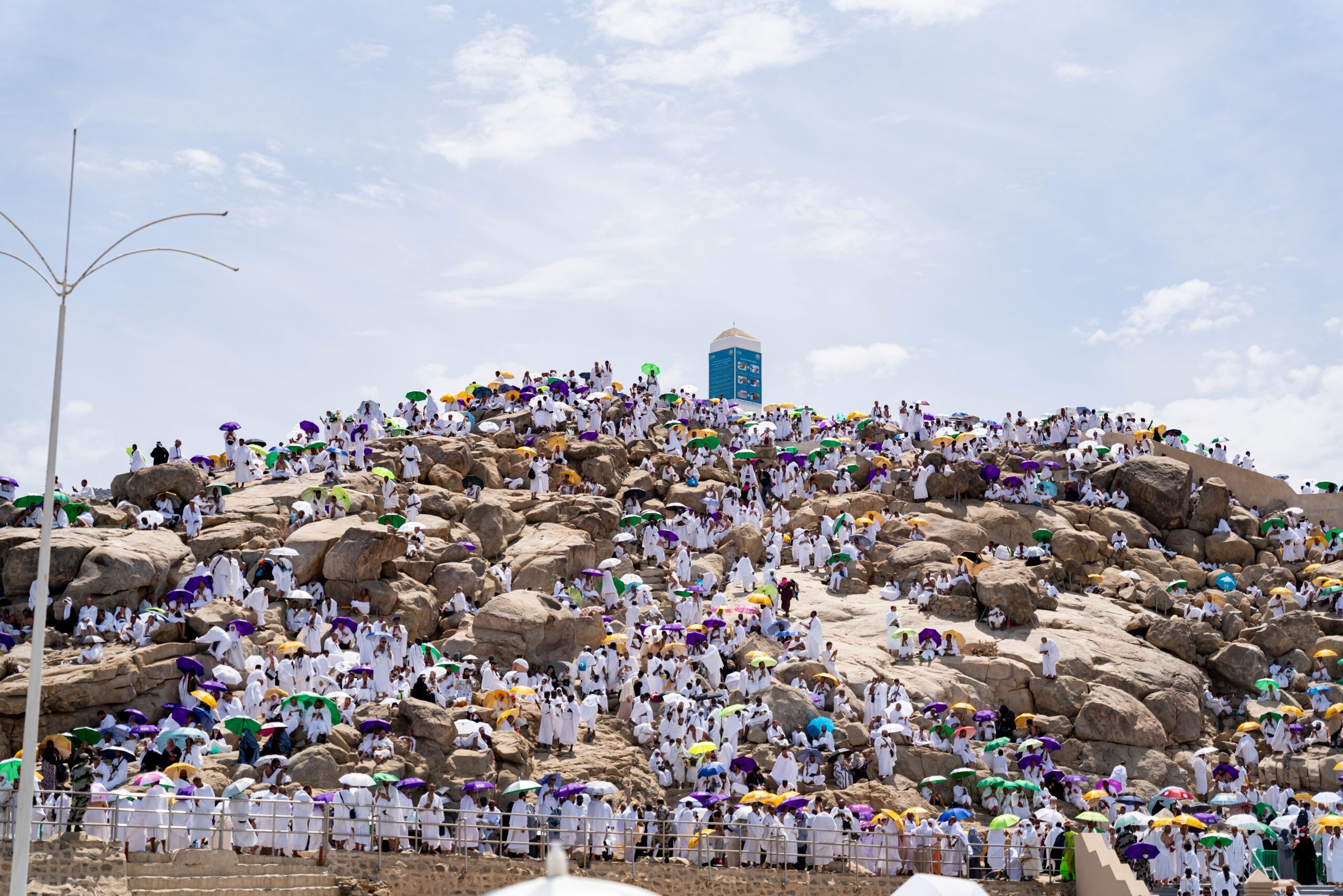
In the vast plain of Arafat stands Jabal ar-Rahmah, “the Mountain of Mercy” — the site associated with the Prophet’s ﷺ Farewell Sermon. Every year during Hajj, millions of pilgrims gather across the plain from noon until sunset on the 9th of Dhul Hijjah, in what is considered the single most important day of the pilgrimage.
O People, lend me an attentive ear, for I know not whether after this year, I shall ever be amongst you again. Therefore listen to what I am saying to you very carefully and take these words to those who could not be present here today.
O People, just as you regard this month, this day, this city as Sacred, so regard the life and property of every Muslim as a sacred trust. Return the goods entrusted to you to their rightful owners. Hurt no one so that no one may hurt you. Remember that you will indeed meet your Lord, and that He will indeed reckon your deeds. Allah has forbidden you to take usury (interest), therefore all interest obligation shall henceforth be waived. Your capital, however, is yours to keep. You will neither inflict nor suffer any inequity. Allah has judged that there shall be no interest and that all the interest due to Abbas ibn ‘Abd’al Muttalib (Prophet’s uncle) shall henceforth be waived.
Beware of Satan, for the safety of your religion. He has lost all hope that he will ever be able to lead you astray in big things, so beware of following him in small things.
O People, it is true that you have certain rights with regard to your women, but they also have rights over you. Remember that you have taken them as your wives only under Allah’s trust and with His permission. If they abide by your right then to them belongs the right to be fed and clothed in kindness. Do treat your women well and be kind to them for they are your partners and committed helpers. And it is your right that they do not make friends with any one of whom you do not approve, as well as never to be unchaste.
O People, listen to me in earnest, worship Allah, say your five daily prayers (Salah), fast during the month of Ramadan, and give your wealth in Zakat. Perform Hajj if you can afford to.
All mankind is from Adam and Eve, an Arab has no superiority over a non-Arab nor a non-Arab has any superiority over an Arab; also a white has no superiority over black nor a black has any superiority over white except by piety and good action. Learn that every Muslim is a brother to every Muslim and that the Muslims constitute one brotherhood. Nothing shall be legitimate to a Muslim which belongs to a fellow Muslim unless it was given freely and willingly. Do not, therefore, do injustice to yourselves.
Remember, one day you will appear before Allah and answer your deeds. So beware, do not stray from the path of righteousness after I am gone.
O People, no prophet or apostle will come after me and no new faith will be born. Reason well, therefore, O People, and understand the words which I convey to you. I leave behind me two things, the Quran and my example, the Sunnah and if you follow these you will never go astray.
All those who listen to me shall pass on my words to others and those to others again; and may the last ones understand my words better than those who listen to me directly. Be my witness, O Allah, that I have conveyed your message to your people.
It is not from the Sunnah to climb Jabal ar-Rahmah itself — the Prophet ﷺ stood at its base, not its summit. Practices such as writing one’s name on the mountain or making vows there are considered innovations. The essence of the day is standing in supplication anywhere across the plain of Arafat, not proximity to the mountain.
Between Makkah and Arafat lies Mina, the valley pilgrims pass through during Hajj. It is here that Ibrahim (peace be upon him) was commanded to sacrifice his son Ismail — and where, according to tradition, Shaytan appeared to him three times attempting to dissuade him from obeying. Each time, Ibrahim drove him away by throwing seven pebbles, saying:
“In the Name of Allah, Allah is the Greatest.”
This act is preserved today in the ritual of Ramy al-Jamarat — the stoning of the pillars — performed by pilgrims as a symbolic rejection of temptation and submission to Allah’s command.
“When they both submitted and he laid him down upon his forehead, We called to him, ‘O Ibrahim, you have fulfilled the vision.’ Thus do We reward the doers of good.” — Surat as-Saffat, 37:103–105
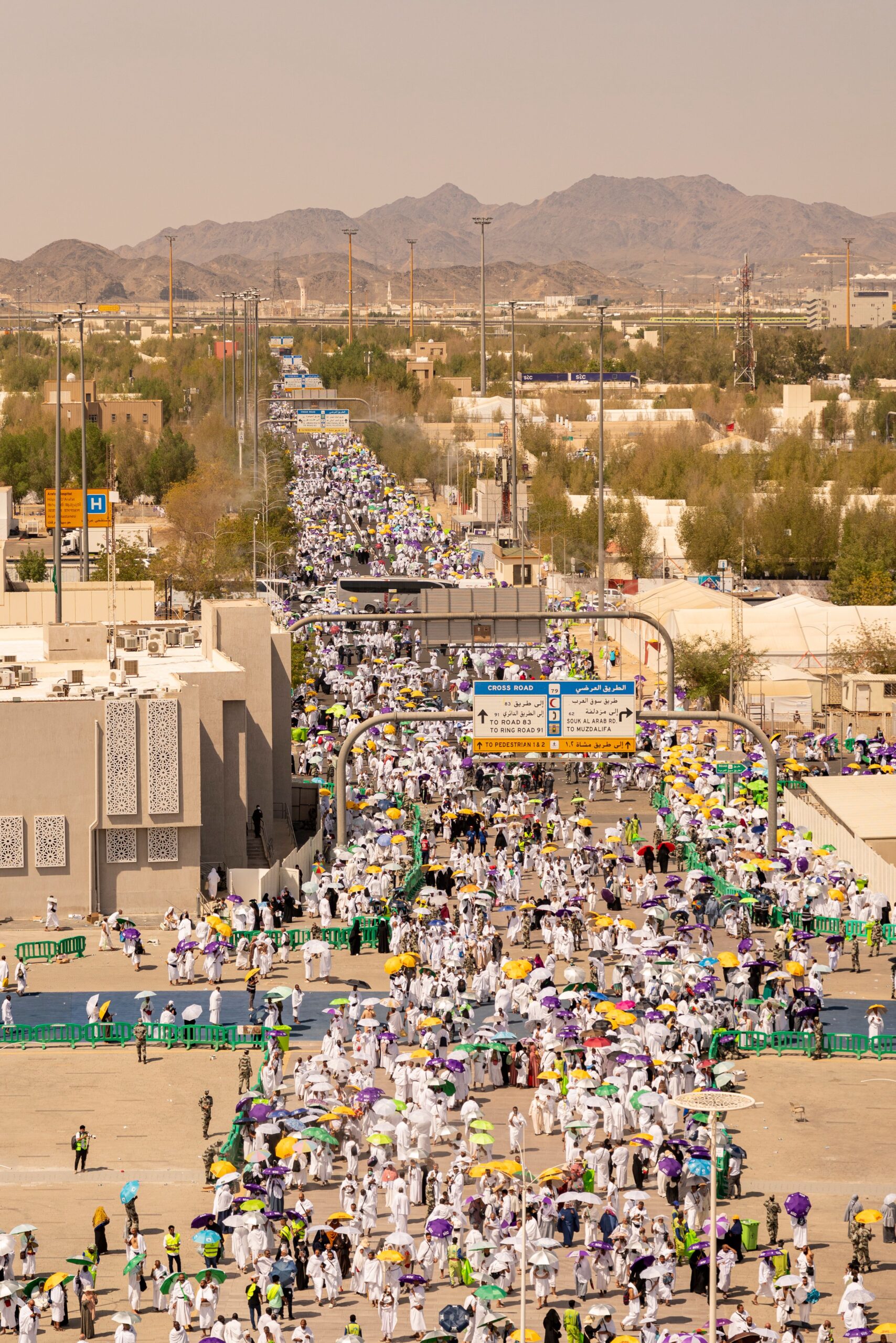
Ramy al-Jamarat is a pillar of Hajj itself, not an optional visitation — missing it without valid excuse affects the validity of the pilgrimage. Stones should be small and clean, thrown individually with the takbir, following the order and timing set out in the Sunnah.
About 8 km from the Kaabah, in the district of at-Tan’im, sits Masjid Aishah — the boundary point of the Haram from which residents of Makkah, or those who have already completed Umrah, may enter ihram again for a second Umrah.
The site takes its name from an episode involving Aishah (may Allah be pleased with her), who was menstruating during Hajj and unable to complete her Umrah. Distressed, she was directed by the Prophet ﷺ to leave the boundary of the Haram with her brother, enter ihram there, and perform Umrah upon her return:
“Take your sister outside the Haram so she may enter ihram for Umrah and then perform tawaf of the House.” — Sahih al-Bukhari, 1784
It is permissible for those staying in Makkah to enter ihram from at-Tan’im for an additional Umrah, but scholars caution against repeating Umrah back-to-back without genuine reason — the Prophet ﷺ himself performed only one Umrah alongside his Hajj. The emphasis in worship is sincerity, not repetition for its own sake.
Near Jannat al-Mu’alla stands Masjid al-Jinn, associated with the account in Surat al-Jinn of a group of jinn who overheard the Prophet ﷺ reciting the Qur’an and accepted Islam on the spot:
“Say, ‘It has been revealed to me that a group of jinn listened and said: Indeed we have heard an amazing Qur’an which guides to the right course, so we have believed in it, and we will never associate anything with our Lord.'” — Surat al-Jinn, 72:1–2
There is no special virtue attached to praying inside Masjid al-Jinn itself, and it should be visited only as a historical site. Superstitions around jinn possession rituals or protective charms tied to this location have no basis — the Sunnah teaches that protection from jinn comes through reciting the Qur’an and the regular morning and evening remembrances (adhkar), not through places or objects.
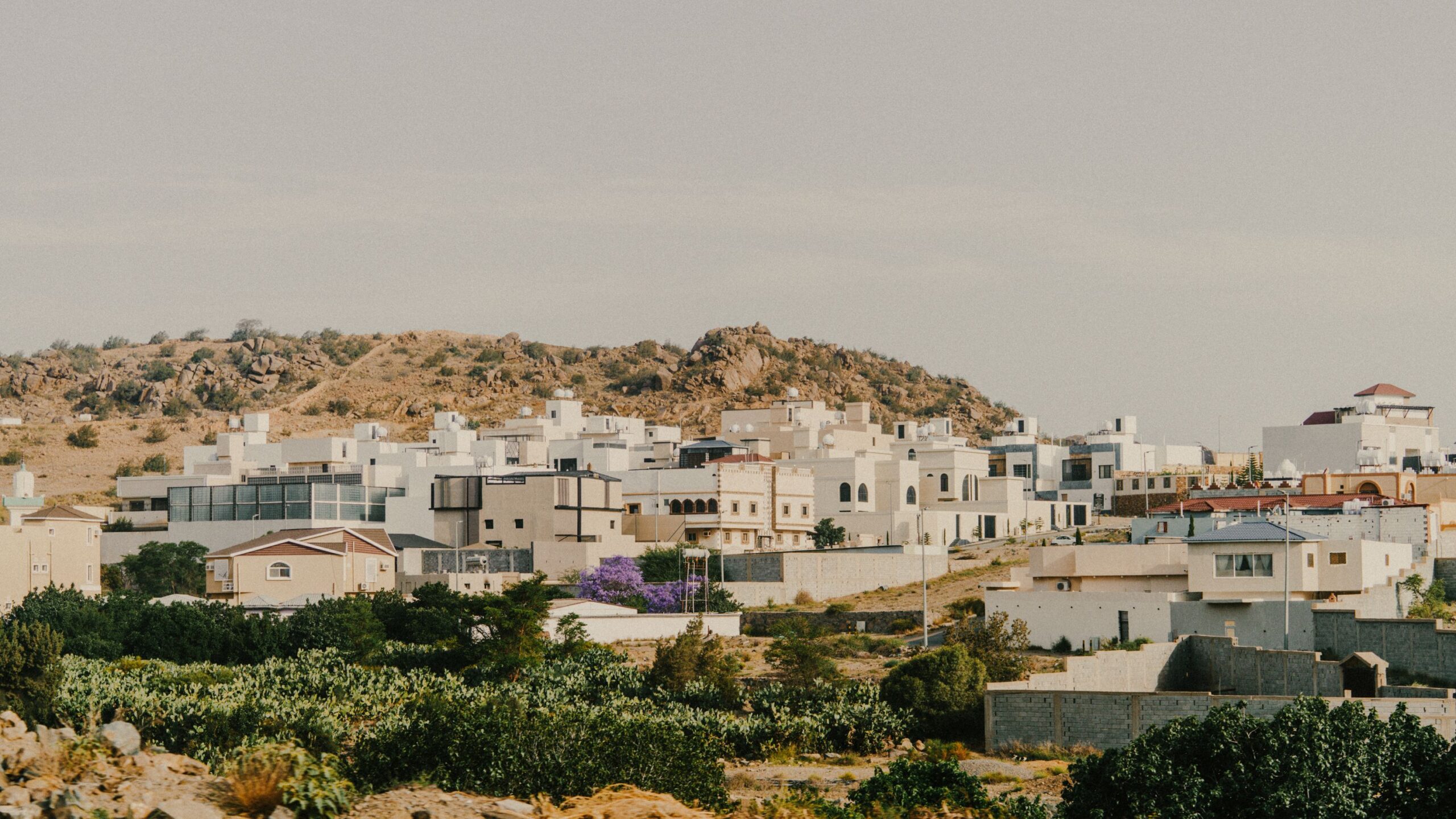
Nestled in the mountains east of Makkah, Ta’if was where the Prophet ﷺ traveled after the deaths of his uncle Abu Talib and his wife Khadijah — a period known as the Year of Sorrow — hoping to find support for his message. Instead, the city’s leaders mocked him and sent young men to pelt him with stones until his feet bled.
Wounded and seeking shelter in a garden outside the city, he raised his hands and made one of the most quoted supplications in Islamic tradition:
“O Allah, to You I complain of my weakness, my insufficiency, and my humiliation before people… So long as You are not angry with me, I care not. There is no power nor might except by You.” — Al-Tabarani, Al-Mu’jam al-Kabir 181
Soon after, a Christian servant named Addas brought him grapes and, moved by his words, accepted Islam. According to tradition, Jibril later appeared offering to destroy Ta’if between its own mountains as punishment for how its people had treated him. The Prophet ﷺ refused:
“No, I hope that Allah will bring from their descendants those who worship Him alone.” — Sahih al-Bukhari, 3231
Ta’if is visited to recall this episode and reflect on the Prophet’s ﷺ patience and mercy — there is no specific act of worship tied to the location itself.
The Makkah ziyarat sites trace a single arc: solitude and revelation at Hira, trust and protection at Thawr, sacrifice at Mina, rejection and mercy at Ta’if, and the completion of faith at Arafat. Together, they retell the same lesson from different angles — that obedience, patience, and mercy are what draw a believer closer to Allah, far more than any place or stone ever could.